
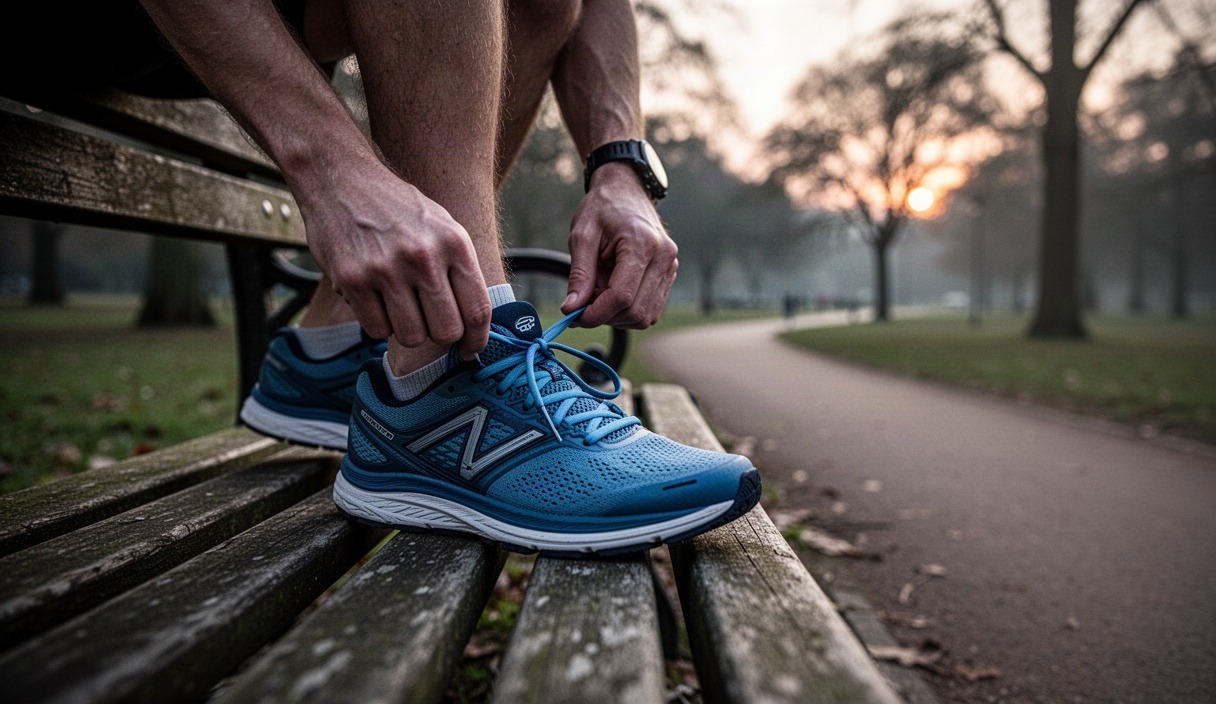
Starting out often hurts when you run too fast too early. Here is the realistic walk-run framework that took Luna from breathlessness to steady miles.
Six months ago, I could not jog for ninety seconds without a spike in my heart rate that left me doubled over and wheezing on the curb. Like many people who spend eight to ten hours a day sitting in an office chair, my cardiovascular fitness had quietly eroded to zero. My initial impulse was to compensate for years of inactivity by lacing up an old pair of cross-trainers and sprinting until my lungs burned. That approach lasted four days and ended with shin splints so severe that walking down stairs required gripping the handrail.
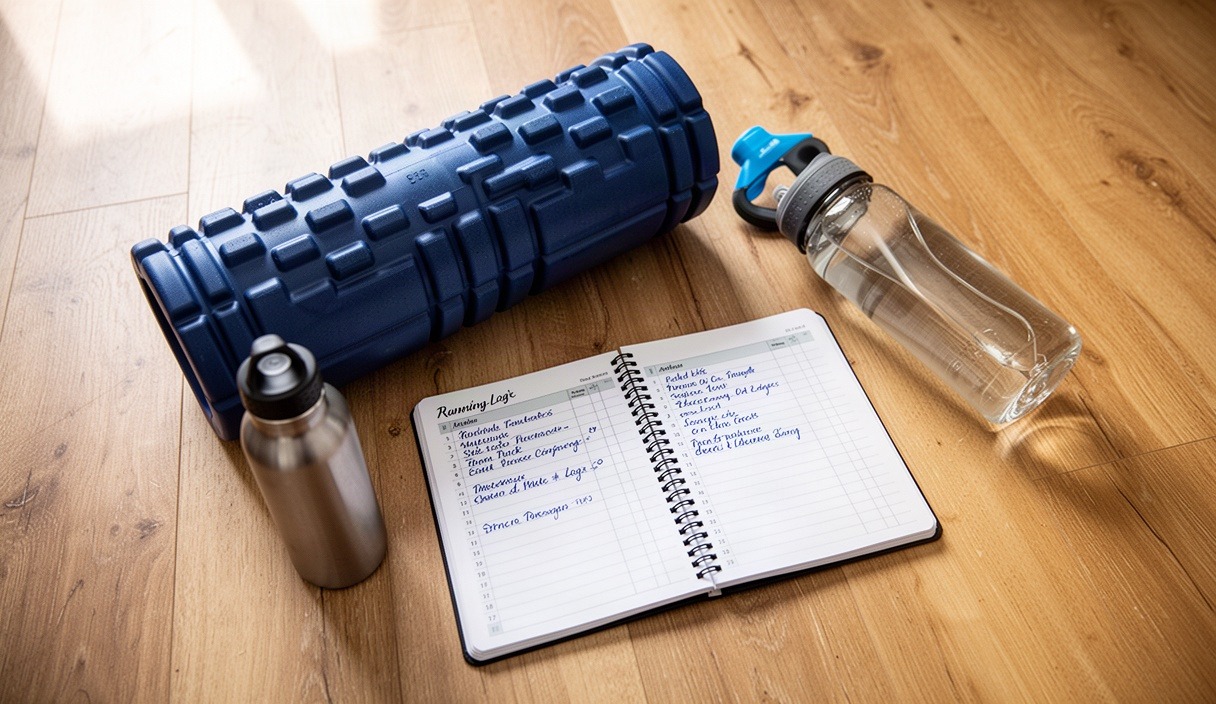
Reaching the point where a thirty-minute run feels routine took a complete shift in mindset. I had to discard the romantic notion of pushing through agony and replace it with slow, calculated aerobic conditioning. Over the course of twenty-six weeks, I logged my times, heart rate ranges, gear adjustments, and muscle setbacks in a basic spreadsheet. The following observations and methods reflect what actually worked to transform a sedentary body into a durable runner without medical complications or chronic pain.
The Early Mistake: Treating Every Run Like a Race
During my first two weeks, every outing followed the same flawed script. I picked a 2.4-kilometer loop through my neighborhood and tried to complete it as fast as possible. My average pace was 5 minutes and 15 seconds per kilometer, which pushed my heart rate above 178 beats per minute within the first four hundred meters. I assumed that if I was not gasping for air, the session did not produce a training stimulus. In reality, I was operating entirely within an anaerobic state that produced heavy muscular damage while providing minimal benefit to my base aerobic plumbing.
The consequence of this daily maximal effort was systemic fatigue. By day ten, my resting heart rate upon waking had jumped from 64 beats per minute to 76 beats per minute, a clear indicator of poor recovery and nervous system stress. Furthermore, my form deteriorated as fatigue accumulated. My hips dropped, my feet slapped the asphalt with heavy braking force, and my knee joints absorbed forces they were not yet conditioned to handle.
True aerobic adaptation requires training at a pace that allows the heart to pump a large volume of blood per beat without flooding the bloodstream with lactate. To confirm whether an effort is truly easy, runner physiology relies on the talk test. If you cannot speak two full sentences aloud without pausing to inhale, you are moving too fast for a base run. Once I slowed down to an uncomfortably slow 7 minutes and 45 seconds per kilometer, my body finally began to adapt instead of breaking down.
| Metric | Max-Effort Approach (Weeks 1-2) | Aerobic Base Approach (Weeks 3-6) |
|---|---|---|
| Average Pace | 5:15 per kilometer | 7:45 per kilometer |
| Average Heart Rate | 176 to 184 bpm | 138 to 148 bpm |
| Perceived Exertion (1-10) | 8.5 | 3.5 |
| Recovery Time Required | 48 to 72 hours | 24 hours |
| Weekly Volume Completed | 7.2 kilometers | 16.5 kilometers |
The Walk-Jog Ratio That Built My Aerobic Base
To drop the ego and maintain a low heart rate, I turned to structured run-walk intervals. The human musculoskeletal system adapts to running stress far slower than the cardiovascular system. Tendons, ligaments, and bone density require months of progressive mechanical loading to thicken and adapt, whereas lung capacity can improve noticeably in a matter of weeks. The walk-jog ratio protects vulnerable connective tissues from repetitive impact while still delivering enough continuous work to strengthen the heart.
I structured my sessions around a fixed duration rather than distance. Every workout began with a five-minute brisk walk at roughly 5.5 kilometers per hour to warm up the synovial fluid in the ankle and knee joints. From there, I utilized a simple digital watch timer set to repeat intervals. Crucially, the walking portions were not passive strolls. I kept an upright, brisk walking posture with deliberate arm swing to keep my heart rate from dropping entirely out of zone two, which for my age was between 130 and 145 beats per minute.
The progression moved forward only when I could complete three consecutive sessions without experiencing joint soreness the next morning. If my shin tendons felt sensitive on Friday, I repeated the previous week's interval structure rather than advancing.
| Block | Jog Interval | Walk Interval | Total Sets | Total Running Time |
|---|---|---|---|---|
| Week 1 to 2 | 60 seconds | 90 seconds | 8 sets | 8 minutes |
| Week 3 to 4 | 90 seconds | 60 seconds | 8 sets | 12 minutes |
| Week 5 to 6 | 3 minutes | 90 seconds | 6 sets | 18 minutes |
| Week 7 to 8 | 5 minutes | 60 seconds | 4 sets | 20 minutes |
| Week 9 to 10 | 8 minutes | 60 seconds | 3 sets | 24 minutes |
Cadence and Posture Basics for Complete Beginners
When beginners try to run faster or smoother, their instinctive reaction is to take longer strides. In my third week, video analysis showed that my lead heel was striking the pavement nearly twenty centimeters in front of my center of mass. This overstriding acted as an internal brake with every single step, sending shockwaves directly through my tibia into my patellar tendon. The correction required shifting focus away from speed and toward cadence, which is the total number of foot strikes per minute.
My natural cadence at the start was 152 steps per minute. By downloading a metronome app and syncing my steps to a steady clicking track, I slowly raised that number to 166 steps per minute, even while jogging at a very slow pace. Shortening my stride allowed my feet to land directly beneath my hips. This simple change transformed my gait from a series of hard braking impacts into a continuous, rolling movement that recruited the natural spring function of the Achilles tendon.
Posture adjustments resolved the lower back tightness that used to appear around the fifteen-minute mark. Good running form relies on a few clear mechanical cues:
- Forward lean from the ankles: Hinge forward slightly from the ankles rather than bending at the waist. Bending at the hips shuts off the gluteal muscles and overworks the hip flexors.
- Eye line thirty meters ahead: Looking directly down at your shoes drops the skull forward, placing unnecessary strain on the upper cervical spine. Keep your chin level and gaze ahead.
- Compact arm movement: Keep your elbows bent at roughly a ninety-degree angle and drive them backward rather than across your chest. Crossing the midline causes unnecessary torso rotation that wastes energy.
- Quiet foot strikes: If you can hear your shoes slapping the ground through light earphones, you are landing too heavily. Aim to make every footfall silent.
Managing Calf Tightness in Week Three
By the midpoint of the third week, my cardiovascular capacity had improved enough that I felt less winded, but my lower legs staged a rebellion. My calves felt like solid blocks of wood every morning, particularly along the lower outer edges. This tightness was not a muscle pull; it was the soleus and gastrocnemius muscles screaming under an unfamiliar volume of eccentric contractions. Running forces these muscles to decelerate your body weight against gravity hundreds of times per kilometer.
Ignoring this tightness is precisely how beginners slide into Achilles tendinopathy. I instituted a daily maintenance protocol that took twelve minutes each evening. Foam rolling directly over an irritated tendon is counterproductive, so I focused the roller exclusively on the thick, fleshy belly of the calf muscle, spending ninety seconds per leg working through tender trigger points at a slow, deliberate pace.
The most effective intervention was introducing eccentric heel drops on the edge of a staircase. If calf tightness transitions into sharp, localized pain on the Achilles tendon itself, running should stop immediately and a licensed physical therapist should be consulted for a formal diagnosis. My routine consisted of three specific movements performed three evenings per week:
- Straight-leg eccentric heel drops: Stand on the edge of a step with both balls of the feet. Rise up on both feet, lift the uninjured leg, and lower down on the single working leg over a slow four-second count until the heel sits below the step. Perform 3 sets of 10 repetitions per side.
- Bent-knee eccentric heel drops: Perform the exact same drop on the edge of the step, but maintain a twenty-degree bend in the working knee throughout the movement. This shifts the mechanical load away from the gastrocnemius and directly onto the deeper soleus muscle. Perform 3 sets of 10 repetitions per side.
- Wall-supported runner stretches: Place hands flat on a wall, step one leg back about seventy centimeters, press the back heel firmly into the floor, and hold for forty-five seconds without bouncing.
Setting Weekly Frequency Without Burning Out
The enthusiasm of starting a new routine often tricks beginners into running four or five consecutive days. I tried a four-day schedule in month two and rapidly accumulated deep hip fatigue that ruined my form. For an untrained individual, running is an aggressive plyometric exercise. Bones require up to forty-eight hours to complete the remodeling process that occurs after being subjected to repeated ground reaction forces.
I settled on a three-day weekly running schedule, spaced evenly across the calendar to provide guaranteed rest days between workouts. Tuesday, Thursday, and Saturday became non-negotiable run days. Monday and Wednesday were reserved for thirty minutes of low-impact walking or stationary cycling, while Friday and Sunday were complete rest days with no aerobic goals.
Managing overall volume requires adhering to the ten-percent rule. This foundational principle dictates that you should never increase your total weekly running time or mileage by more than ten percent compared to the previous week. When I reached a total weekly volume of fifteen kilometers, my progression looked methodical rather than spontaneous:
- Week 11: 15.0 kilometers total across three sessions (5.0 km, 5.0 km, 5.0 km)
- Week 12: 16.5 kilometers total across three sessions (5.0 km, 5.5 km, 6.0 km)
- Week 13: 18.0 kilometers total across three sessions (5.5 km, 6.0 km, 6.5 km)
- Week 14 (Recovery week): 13.5 kilometers total across three sessions (4.5 km, 4.5 km, 4.5 km)
Notice the deliberate reduction in Week 14. Dropping the volume down by roughly twenty-five percent every fourth week allows microtrauma in connective tissues to repair fully before the next loading cycle begins.
Common Mistakes to Avoid
Looking back at my training log, several initial habits cost me valuable time and created unnecessary physical discomfort. Most running problems are not caused by lack of willpower; they are caused by simple procedural errors that compound over successive weeks.
- Running in worn-out footwear: I started in five-year-old gym shoes that had lost their midsole elasticity. Upgrading to a properly fitted pair of daily trainers with adequate forefoot cushioning eliminated my early knee aches within seven days.
- Skipping the warm-up walk: Stepping out the front door and immediately jogging puts sudden tensile stress on cold tendons. A brisk five-minute walk brings body temperature up and lubricates joints before high-impact landing begins.
- Chasing daily personal records: Treating everyday workouts as tests of fitness prevents your body from building the capillary beds necessary for long-term aerobic efficiency. Fast running should account for no more than fifteen percent of a beginner's monthly mileage.
- Ignoring sleep deficits: Growth hormone release occurs primarily during deep sleep cycles. Logging six hours of sleep while trying to adapt to running increases your risk of overuse injuries due to delayed tissue regeneration.
Next Steps for Month Seven and Beyond
Completing six months of disciplined, slow base building yielded results that felt impossible when I first stood gasping on the curb. By week twenty-six, I successfully ran for forty-five continuous minutes at an easy 6:40 per kilometer pace with an average heart rate of 142 beats per minute. The joints in my ankles and knees now handle the repeated impacts without soreness, and the morning calf tightness has vanished entirely.
If you are standing at zero today, your priority is simple: buy a reliable pair of running shoes from an athletic shop that analyzes gait, establish a three-day weekly routine using a walk-jog timer, and slow down your running pace until you can speak in complete sentences. Give your body twenty-six quiet, unhurried weeks to lay a deep physical foundation. The speed and the distance will arrive naturally once your frame is built to carry them.
This journal provides training notes for educational purposes: consult a sports doctor or physical therapist before starting an intense daily running regimen. Disclaimer